What does your dogs sleep position mean?
PETS
SLEEP TIPS

 1 minute read
What Your Dog’s Sleeping Position Really Means
Have you ever noticed that your dog sleeps in a variety of positions? Maybe they have one they tend to favour, or perhaps they switch between a few depending on their mood.
Just like humans, dogs have different sleeping positions — and each one can tell you something about how they’re feeling. If you’re curious about what your dog’s sleep position might mean, read on.
1. On Their Side
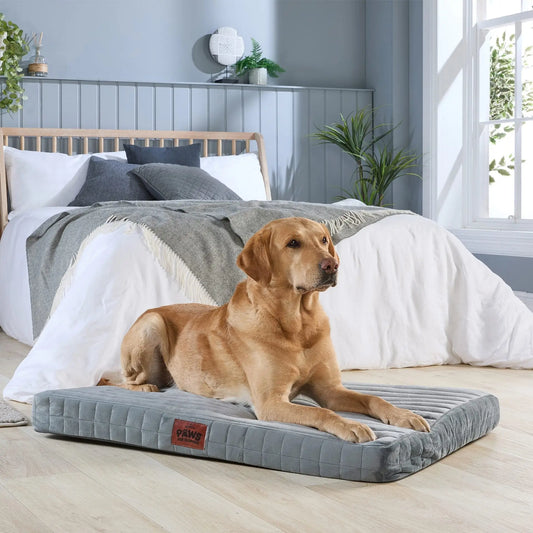
This is one of the most common sleep positions for dogs. When they lie on their side with their legs extended, it’s a sign they feel safe, relaxed, and comfortable.
From an evolutionary point of view, this position leaves a dog’s vital organs exposed — meaning they only do this when they feel no threat and completely trust their surroundings.
Dogs sleeping on their side often fall into the deepest sleep, so you might spot some adorable paw twitches or leg kicks as they dream.
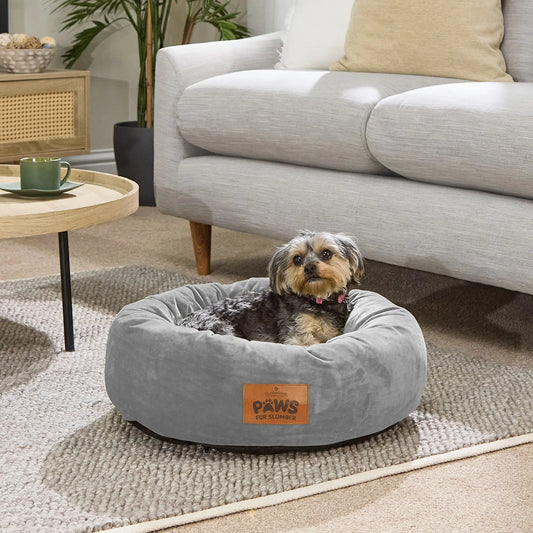
2. Curled Up (The “Donut” Position)
Another popular position is when dogs curl up tightly into a ball — often called the donut position. By tucking their limbs in close, they protect their vital organs and conserve body heat.
3. On Their Front (The “Superman” Pose)
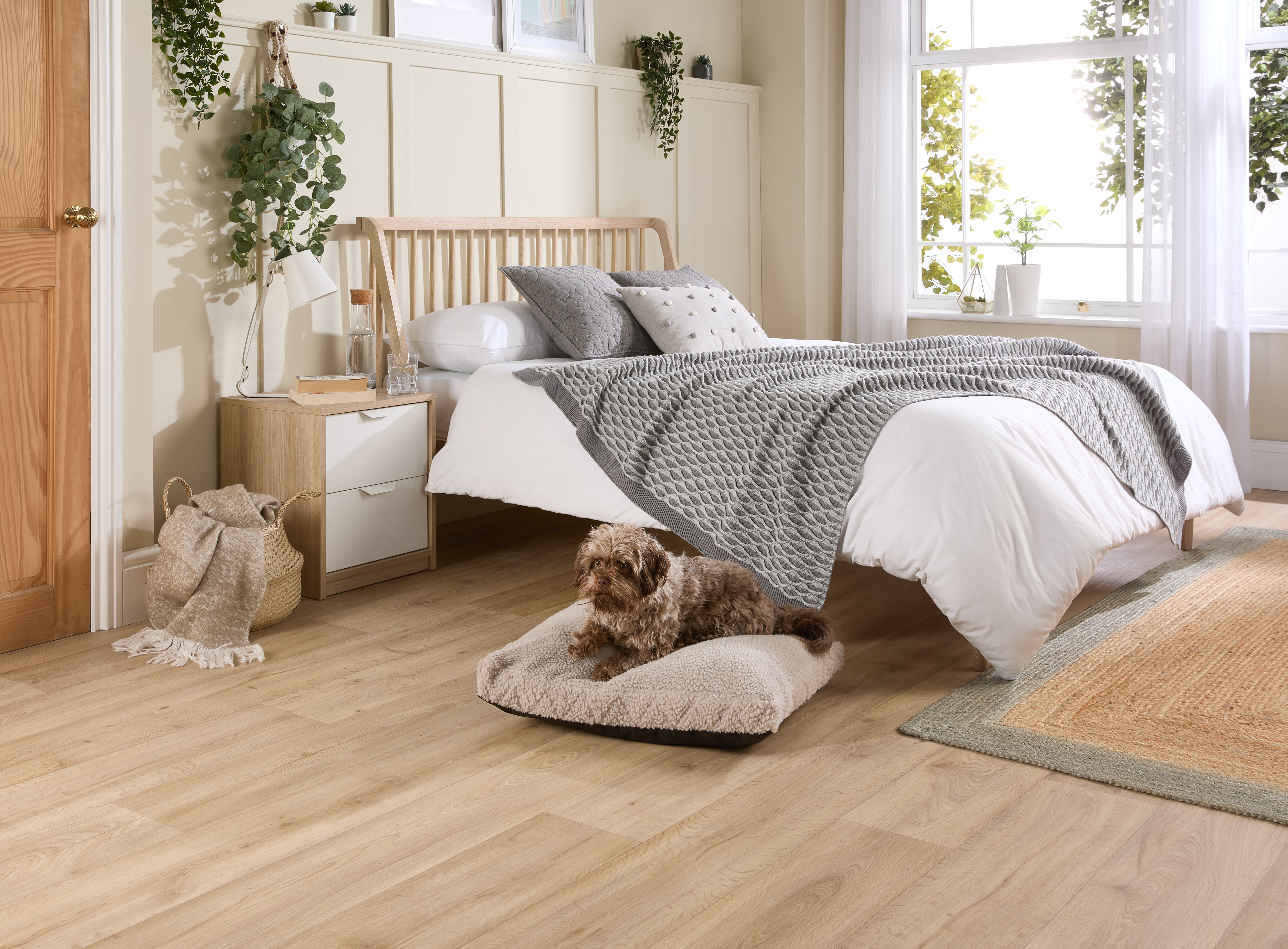
This playful position sees your dog lying flat on their stomach with front legs stretched out and back legs extended behind. It’s most common in puppies and energetic dogs who want to rest without fully switching off.
4. On Their Back
A dog sleeping belly-up is the ultimate sign of trust and comfort. It’s also a way to cool down — since a dog’s fur is thinner on their belly, this position helps them regulate temperature.
5. Back Facing You
If your dog sleeps with their back to you, it’s actually a sign of affection and trust. They’re showing they feel bonded and secure with you.
When to Check with a Vet
If your dog suddenly seems restless, struggles to settle, or isn’t sleeping through the night like usual, it could be a sign of anxiety or pain. In that case, it’s best to speak with your vet to rule out any underlying issues.